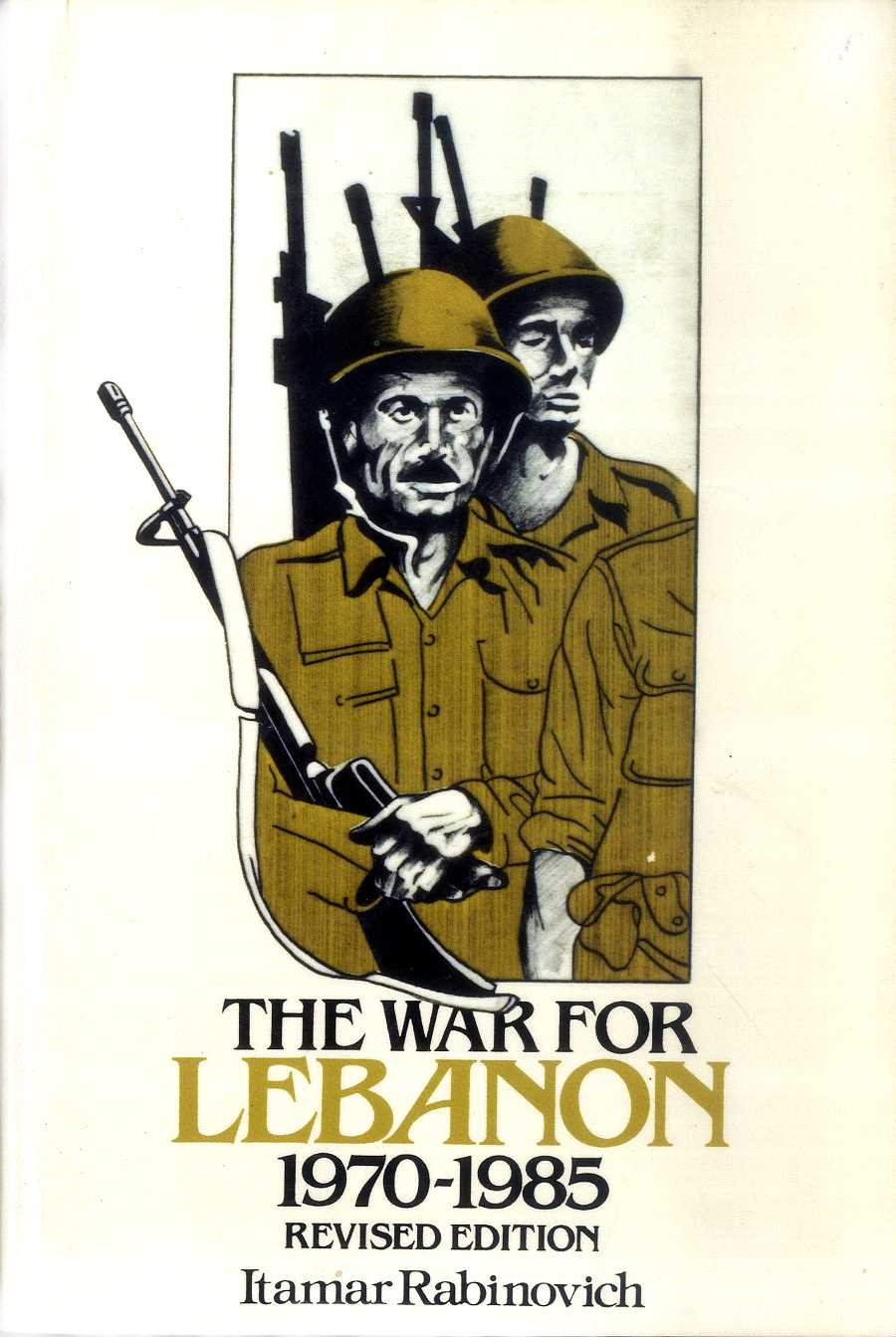
Events in Lebanon always threaten to outrun the interpretive literature, but Itamar Rabinovich has narrowed the gap. His book is balanced and insightful, providing much historical background to the 1982 war. Rabinovich attributes Lebanon's passage from the periphery to the center of Middle Eastern politics to the confluence of Palestinian, Israeli, and Syrian interests there. Though he does not minimize the internal sources of increasing Christian-Muslem tensions, he notes the diffuculties caused by the influx of Palestinians into Lebanon after 1970. Rabinovich does not reduce Lebanon's domestic conflict to one of Muslems versus Christians. Rather, he painstakingly sorts out the alliances and rivalries among Christians and the various Muslim sects.
Events in Lebanon always threaten to outrun the interpretive literature, but Itamar Rabinovich has narrowed the gap. His book is balanced and insightful, providing much historical background to the 1982 war. Rabinovich attributes Lebanon's passage from the periphery to the center of Middle Eastern politics to the confluence of Palestinian, Israeli, and Syrian interests there. Though he does not minimize the internal sources of increasing Christian-Muslem tensions, he notes the diffuculties caused by the influx of Palestinians into Lebanon after 1970. Rabinovich does not reduce Lebanon's domestic conflict to one of Muslems versus Christians. Rather, he painstakingly sorts out the alliances and rivalries among Christians and the various Muslim sects.
Source: New York Times Book Review